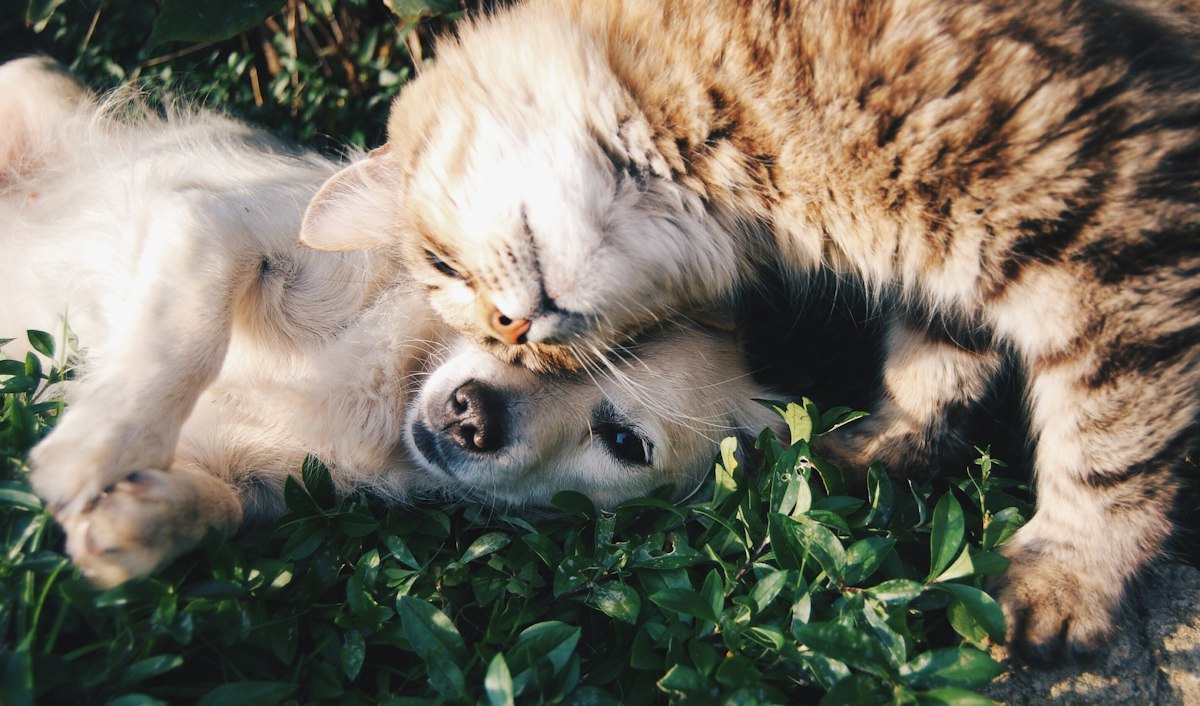
Brushing is the foundation of coat care. It removes loose hair, distributes natural oils, prevents mats, and gives you a chance to spot skin issues early. But brushing with the wrong tool — or the wrong technique — can scratch the skin, break hair, and make your pet dread grooming sessions.
Here's how to match the tool to the coat and brush the right way.
Match the tool to the coat
The single most common mistake is using one brush for everything. Different coats need different tools:
- Slicker brush — for detangling and lifting loose undercoat. Best for medium and long coats. A detangling slicker brush with fine, angled pins works through the topcoat to the undercoat without scratching.
- Grooming comb — for finishing and checking for mats. A steel grooming comb catches tangles the brush missed and smooths the coat.
- Bamboo comb — for sensitive skin and static-prone coats. Natural bamboo combs reduce static and are gentler than plastic, ideal for cats and dogs with fine coats.
- De-shedding tool — for heavy seasonal shedders; use during spring and fall coat blows.
- Rubber curry mitt — for short coats; lifts loose hair and massages the skin.
Technique: brush in the direction of growth
Brush in the natural direction the coat grows — usually head to tail, back to belly. Brushing against the grain is uncomfortable and can cause breakage.
Work in sections. Part the hair and brush from the skin outward, not just the surface. Surface-only brushing leaves the undercoat — where most mats and shedding happen — untouched.
Line brushing for long coats
For long or curly coats, use line brushing: push a section of hair up with one hand, then brush down a thin line at a time, working your way through the coat. This ensures you reach the skin and don't just skim the top. You'll see the coat "line" clear as each section is done.
Dealing with mats
Don't yank. Work a mat out gently from the edge inward with a slicker brush or a detangling comb, holding the hair at the base to avoid pulling the skin. For tight mats, a small amount of detangling spray helps. Severe mats close to the skin are safest removed by a groomer with clippers — never scissors, which risk cutting the skin.
How long and how often?
- Short coats: 5 minutes, weekly
- Medium coats: 10 minutes, 2–3 times weekly
- Long/curly coats: 10–15 minutes, daily or every other day
End every session by running a comb through the coat — if it glides through without catching, you're done.
Brushing as a health check
Brushing is your best chance to catch problems early. While you brush, check for:
- Lumps, bumps, or swelling
- Redness, flaking, or hot spots
- Fleas, ticks, or flea dirt
- Changes in coat texture or sudden hair loss
Found early, most of these are easily treated.
The bottom line
The right tool, used gently and often, turns brushing from a chore into a few minutes of bonding that keeps your pet's coat glossy and skin healthy. Match the brush to the coat, brush to the skin, and finish with a comb — that's the whole secret.